How Many Hand-Wash Stations Keep Festival Lines Moving?
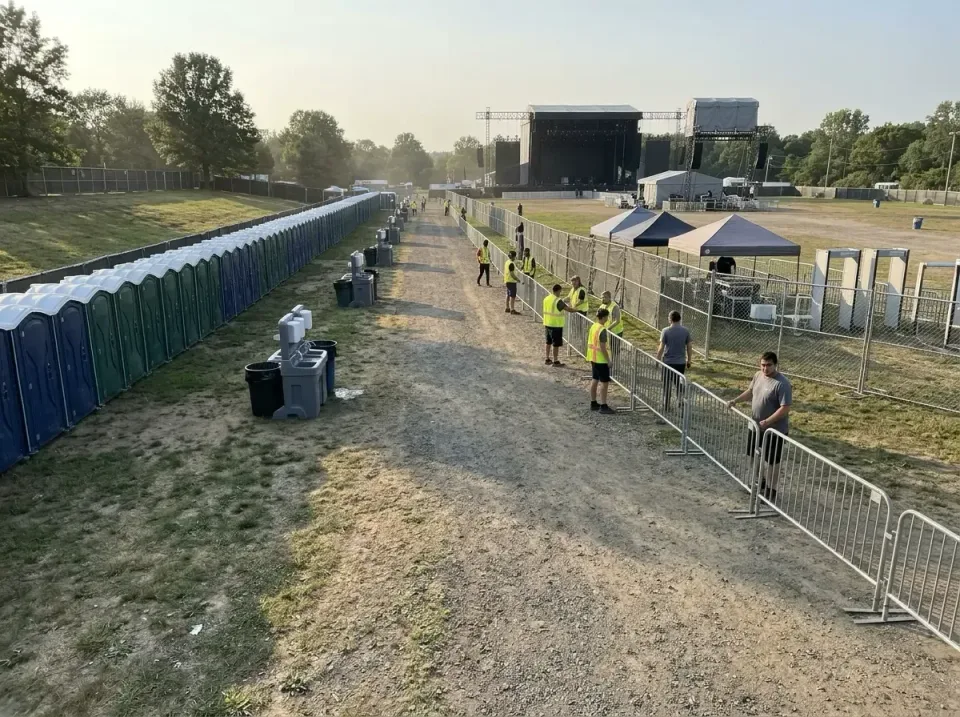
Plan hand-wash stations around peak crowd flow, not just the total guest count. There is no single station count that fits every Montana festival; attendance, food service, event length, and how many people wash at once all matter. A station with 2–4 sink basins can serve more guests at once than a single basin, but it still needs enough water and sensible placement.
In Downtown Livingston, a festival layout that sends everyone across the grounds can create a bottleneck, so place stations near food areas and restrooms without blocking paths. B Street organizers should also account for afternoon thunderstorms, which can bring lightning and hail; keep stations reachable while making sure guests can move to shelter. We help Livingston organizers match capacity to the site plan.
How many basins will your festival crowd use?
A handwashing station that runs dry during the lunch rush leaves guests waiting and food-service areas short on a basic amenity. Start with expected attendance, event duration, and peak-use periods, then choose enough basins and water capacity to handle those surges. The handwashing station’s freshwater supply and the servicing plan matter as much as the number of units. We plan for the busy interval, not just the average hour.
Use the event schedule to find when demand will stack up: meal breaks, intermission, and gates opening are common peaks. A handwashing station with 2–4 sink basins gives several guests a chance to wash at once, but the right quantity depends on where stations sit and how guests move between activities.
If all sinks are placed at one end of the grounds, a nominally adequate setup can still produce a line. For a Livingston Food Resource Center event, organizers should map stations near food service and consider the rush after meals, rather than counting only total attendance. We can review the event schedule and recommend a practical arrangement before delivery.
Does the event layout make access easy?
A station tucked behind a tent or placed far from food service may be available on paper but inconvenient in practice. Walk the site as a guest would: identify food areas, restrooms, entrances, and the routes between them.
At a gathering near Livingston Golf and Country Club, for example, organizers should check that station placement fits the actual event footprint and does not crowd guest circulation. Leave room for queues without narrowing walkways.
Our crew confirms placement locations with the organizer so units are usable and the service truck can reach them. For restroom-line planning alongside handwashing, see How to Prevent Long Restroom Lines at Livingston Events.
When should you call a pro instead of DIY?
You can estimate a small, short event’s needs yourself if attendance is known, the layout is simple, and someone can monitor water use. Call for help when attendance is uncertain, the event runs for several days, food service creates concentrated demand, or stations are difficult to access for refilling and servicing.
Chinook winds can cause rapid winter temperature swings, so an outdoor event in cold weather needs a plan for changing conditions rather than a fixed assumption about water service. We help set the quantity, placement, delivery window, and service interval around the schedule. That planning can prevent a station from running dry before the next planned visit.
What changes the handwashing service plan?
Duration, attendance, basin count, freshwater capacity, and truck access all affect the setup. A long event with a heavy meal rush may need more capacity or more frequent servicing than a shorter gathering with the same guest total.
The Livingston Public Library can be a useful reference point for organizers considering how people will arrive and circulate at a public event; plan station placement around the event’s own paths and crowd pattern. Keep the service route clear and tell us about any access limits before delivery.
For crowd-based visit planning, read How to Plan Porta Potty Service Around Montana Festival Crowds.
Which Handwashing Setup Fits Your Festival?
| Option | Best for | Key detail |
|---|---|---|
| Hand-wash station | Festival food areas and busy intervals | 2–4 sink basins; confirm water capacity and delivery access. |
| Standard portable toilet | General restroom access | Approximately 4-by-4-foot footprint; self-contained unit. |
| ADA portable toilet | Accessible restroom provision | Approximately 5-by-7-foot footprint; allow maneuvering room. |
| Restroom trailer | Higher event capacity when available | Commonly 2–8 stalls; confirm utilities and site access. |
For Livingston delivery planning, consider truck access from US Highway 89 or Interstate 90 and confirm the exact route and placement with us. An inland mountain climate with low average humidity can make outdoor events feel dry, so do not overlook convenient water access for handwashing. At the Livingston Civic Center, organizers should coordinate placement with the venue’s event footprint and access requirements.
How Do You Prepare Festival Handwashing Stations?
If your festival crowd gathers around food at once, a station can run low or build a line before anyone notices. Decide quantity and servicing from the busiest part of the schedule.
-
Share the event details: Give us expected attendance, operating hours, and meal or intermission peaks so the setup reflects actual demand.
-
Confirm the delivery plan: Provide the delivery address, site contact, and clear truck access before the delivery window.
-
Mark placement locations: Show where stations should sit near food and restrooms without obstructing guest paths.
-
Check the ground: Freeze-thaw cycles can soften event-site ground, so confirm the placement area is firm and level close to delivery day.
-
Set the service interval: Match freshwater capacity and visits to attendance and event duration, then identify who will report a low-water station.
-
Plan for pickup: Agree on access and timing after the event so the units can be removed without disrupting site use.
Four distinct seasons bring cold winters and warm summers to Livingston; check conditions again as the event approaches. The Livingston Chamber of Commerce and Livingston Farmers Market are examples of local community-event settings where schedules and guest flow can shape placement needs. Ask us to review your site map before confirming the station count.
Ready to Plan Festival Handwashing in Livingston?
The right station count is the one that covers peak demand and stays supplied throughout your event. Estimate attendance, note meal and intermission surges, and make sure units can be reached for service. If a station runs out of water, guests lose time and food-area hygiene becomes harder to manage.
For a Livingston event near Bozeman Pass, Dan Bailey’s Fly Shop, or Livingston High School, share your actual venue and site plan rather than assuming access is the same everywhere. High-elevation surroundings can bring sharp day-to-night temperature changes, so account for how conditions may shift during an evening event.
Subzero cold can freeze exposed water lines; discuss winter conditions when arranging outdoor service. Contact MT Toilet Rentals at (833) 549-4191 or request a quote through our Hand Wash Station Rental page.